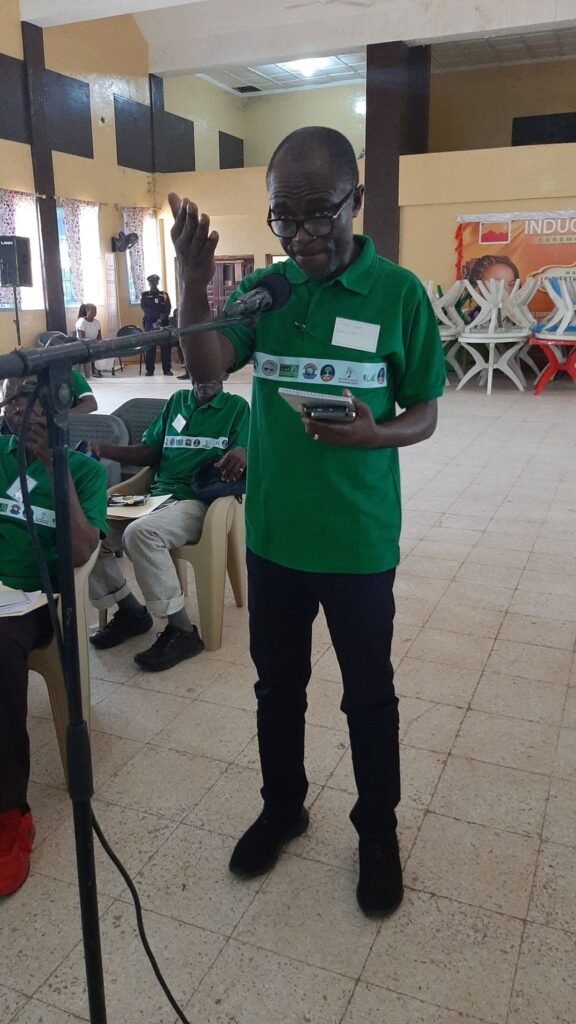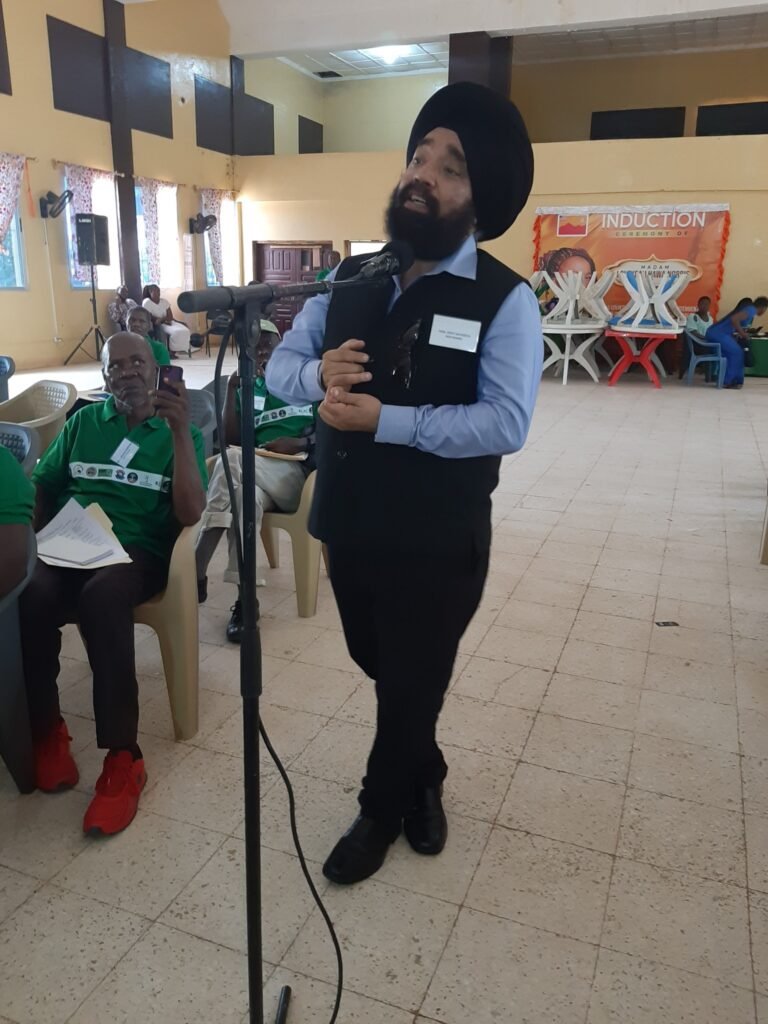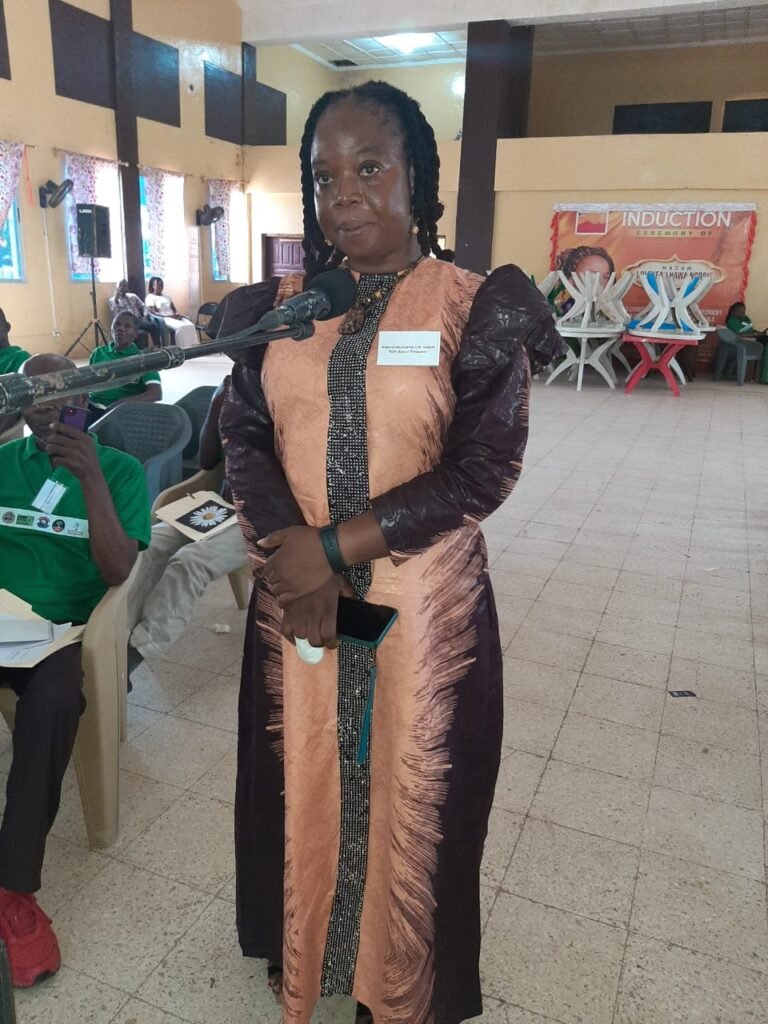
The Rubber Planters Association of Liberia (RPAL) plays a crucial role in the Liberian rubber sector by advocating for the interests of smallholder rubber farmers, representing their concerns to the government and larger rubber companies, and providing educational support on best practices for rubber cultivation and harvesting, aiming to improve the overall quality and productivity of the rubber industry in the country;
Key functions of RPAL:
Policy Advocacy:
Lobbying the government to implement policies that benefit smallholder rubber farmers, such as price stabilization measures, access to credit, and infrastructure development for rubber transportation.
Farmer Training and Education:
Providing training programs on modern rubber cultivation techniques, including nursery management, tapping methods, and disease control, often with support from larger rubber companies like Firestone, LAC, LEE GROUP, JETTY LCC.
Market Access:
Assisting farmers in accessing markets by facilitating connections with buyers and ensuring fair pricing for their rubber products.
Research and Development:
Collaborating with research institutions to identify and implement new technologies and practices that can enhance rubber yield and quality.
Community Development:
Promoting community initiatives related to rubber production, such as promoting the establishment of farmer cooperatives.
Importance of RPAL in Liberia:
Economic Impact:
The rubber sector is a significant contributor to the Liberian economy, and RPAL plays a vital role in ensuring the sustainability and growth of this sector by supporting smallholder farmers who constitute a large portion of rubber producers.
Social Impact:
By empowering smallholder farmers through education and advocacy, RPAL helps improve livelihoods and living standards in rural communities reliant on rubber production.